Does a Kitten Need a Cat Bed? A comprehensive guide for Pet Owners

Does a Kitten Need a Cat Bed?
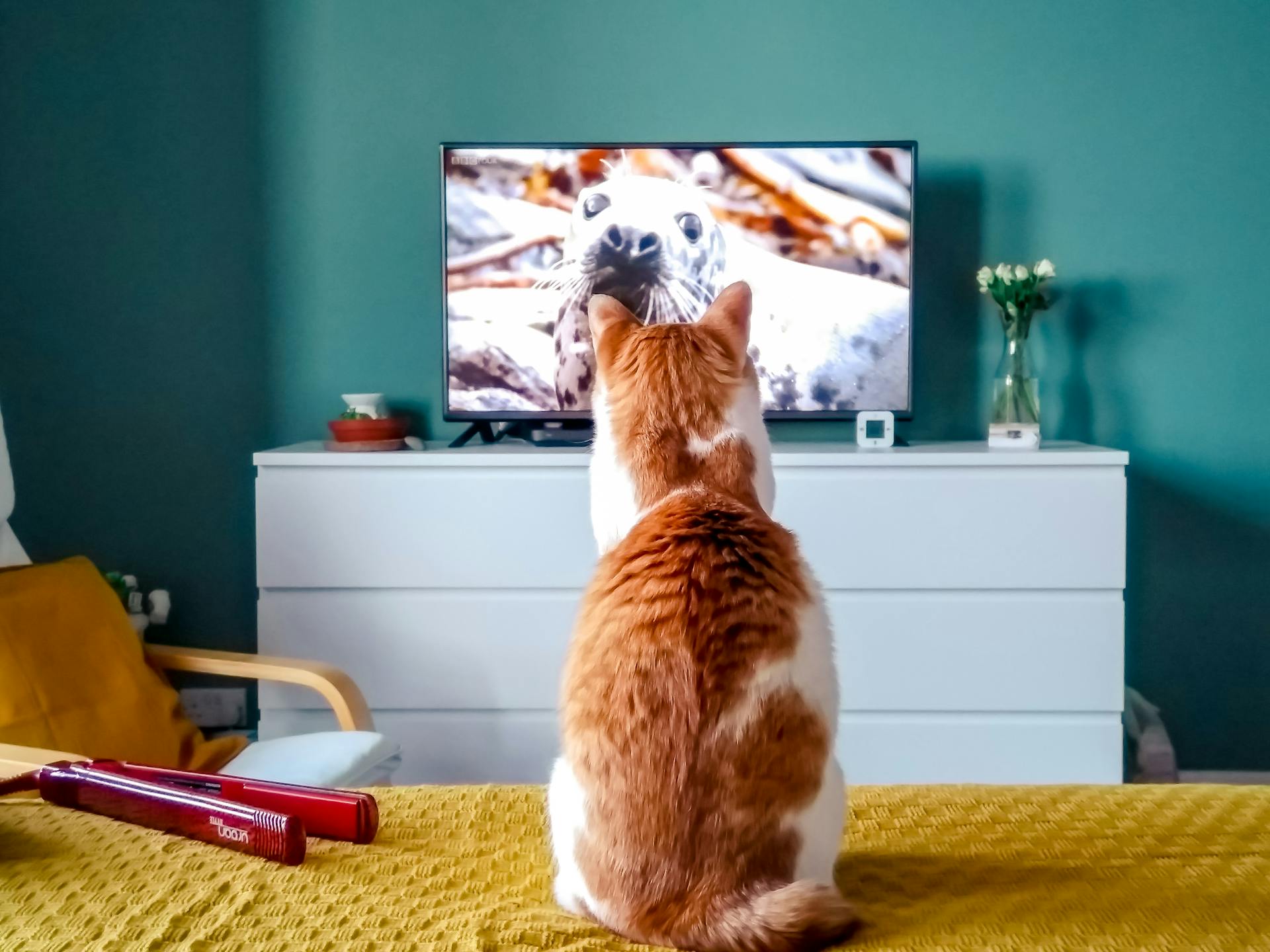
Kittens sleep up to 20 hours a day, and where they rest shapes their comfort, behavior, and sense of security. A cat bed isn't a strict necessity, but it becomes a gentle foundation for trust, routine, and emotional regulation.
Why a Cat Bed Supports Kitten Development
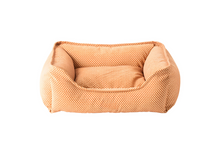
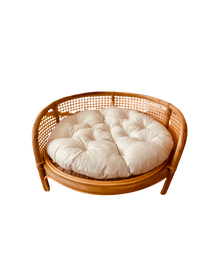
Kittens thrive with warmth, softness, and scent. A dedicated bed offers all three. It provides a single place where your kitten can relax, separate from play or litter habits, and build a sense of safe territory. For young pets, predictability brings peace.
A well-chosen bed also protects furniture, reduces mess, and simplifies travel later. It becomes a familiar scent zone that adapts with your kitten.

How to Create the Ideal Sleep Zone
- Place the bed in a low-traffic, draft-free space
- Add a soft blanket with your scent
- Avoid proximity to loud appliances, doors, or litter boxes
This combination mimics a safe nest,soft, warm, and scented with familiarity.
What Is the 3-3-3 Rule for Cats?
The 3-3-3 rule describes how a cat emotionally adjusts to a new home:
3 Days: Confusion, hiding, low appetite. They need calm and space.
3 Weeks: Exploration starts. Sleep routines begin to form.
3 Months: Confidence builds. The cat establishes secure habits and emotional bonds.

How the Rule Helps Shape Sleep Behavior
In the first 3 days, a bed placed near your scent gives early comfort.
During the first 3 weeks, as routines form, the bed becomes a place of emotional recovery.
By 3 months, the bed is part of the cat’s trusted environment. It’s where they go after play or when overstimulated.
Is It Necessary to Buy a Cat Bed?
No, but most cats benefit from one.
Kittens especially gain from the structure. A bed helps establish personal space, improves hygiene, and offers predictable rest. It also signals where rest begins and ends, making it easier to manage feeding, play, and nighttime routines.
Table: Bed vs. Random Sleeping Spot
| Feature | Random Spot | Cat Bed |
|---|---|---|
| Hygiene | Uncontrolled | Contained and washable |
| Routine Development | Disrupted | Structured |
| Emotional Comfort | Inconsistent | Stable and secure |
| Travel Scent Transfer | None | High |

Encouraging Bed Use: A Gentle Routine
Start with the bed in a semi-private corner, preferably near where you spend time. Add a blanket that smells like you. After play, when the kitten is sleepy, place them gently in the bed. Avoid forcing it. Let them discover comfort.
Consistency is key. If they use it once, they’re likely to return.
Cleaning and Maintenance
Choose a washable bed with removable covers. Avoid heavy scents. Wash with unscented detergent every 1–2 weeks. Leave part of the bedding unwashed occasionally to retain comfort scent.

“In their first months, kittens need more than just food and play,they need a consistent, scent-rich sleeping area to regulate stress and develop trust. A dedicated bed isn’t a luxury,it’s part of healthy behavioral development.”
— Dr. Lianne Peterson, Feline Behavior Specialist, American Veterinary Behavioral College
FAQ
Where should my kitten sleep the first night?
In a small, quiet room with a soft bed, dim light, and your scent nearby.
Can kittens sleep without a bed?
Yes, but they may struggle with routine and feel less secure.
Is it safe to put a kitten’s bed on elevated surfaces?
Yes, as long as it’s stable and not too high. Cats prefer height when it feels safe.
What if my kitten avoids the bed?
Change the location, material, or scent. Try a softer fabric and move it closer to where they nap naturally.
Should I buy a new bed as the kitten grows?
Not necessarily. If the bed is large enough and still cozy, most cats will continue to use it.
Conclusion
A kitten may not need a cat bed in the strictest sense. But if you want to raise a confident, emotionally stable cat with healthy habits and a sense of ownership, a dedicated bed is one of the most valuable things you can provide.
It’s more than fabric. It becomes part of their world, a familiar place where the noise stops, and rest begins.
References (APA7)
American Veterinary Medical Association. (2022). Pet ownership and emotional health. https://avma.org
International Cat Care. (2023). Understanding kitten behavior. https://icatcare.org
The Humane Society of the United States. (2021). Welcoming your new kitten. https://humanesociety.org